



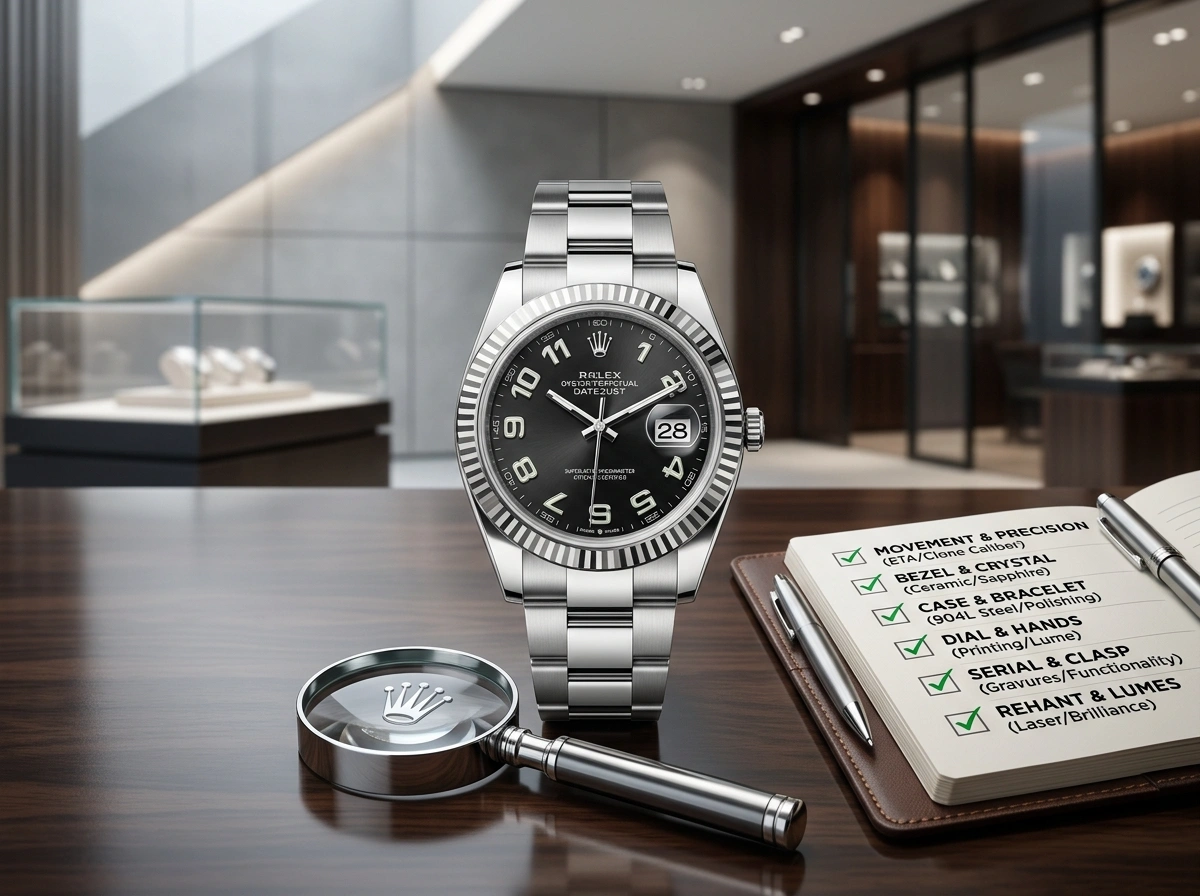
Buying a high-grade replica timepiece online can feel overwhelming. The market is crowded, listings often look identical, and not every seller delivers on their promises. Whether you want the look of an iconic luxury model without the steep price tag, or you simply enjoy collecting well-made watches, knowing how to evaluate your options matters. A thoughtful approach protects your money and helps you land a piece you will actually enjoy wearing.
This guide walks you through a practical, point-by-point checklist. Use it before you click “buy,” and you will sidestep the most common mistakes shoppers make. Let’s get into the details that separate a smart purchase from a frustrating one.
Why a Checklist Matters
Online shopping removes the ability to hold a watch, feel its weight, or test the movement before paying. That gap creates risk. A structured checklist closes that gap by forcing you to ask the right questions and compare sellers on the same terms. It turns guesswork into a clear decision process.
Think of the checklist below as your filter. Every quality watch and trustworthy seller should pass most, if not all, of these points. If a listing fails several of them, that is your signal to keep looking.
1. Evaluate the Build Quality
Quality is the first thing you should assess, even before price. Photos and descriptions reveal a lot when you know what to look for.
- Case finishing: Look for crisp edges, even brushing, and clean polishing. Sloppy transitions between brushed and polished surfaces are a red flag.
- Dial accuracy: Check that text is sharp, evenly spaced, and correctly positioned. Fonts that look blurry or crooked suggest a lower-tier product.
- Bezel alignment: The bezel should sit flush and rotate smoothly where applicable. Misalignment is a common giveaway of rushed assembly.
- Crystal clarity: A good piece uses scratch-resistant sapphire crystal. Ask the seller to confirm the material rather than assuming.
If a listing skips these details entirely, treat that silence as information. Reputable sellers want to show off their craftsmanship.
2. Verify the Movement
The movement is the engine of any watch, and it often separates a basic replica from a genuinely impressive one.
- Movement type: Confirm whether the watch uses an automatic (self-winding) or quartz movement. Many higher-grade pieces use automatic movements for a more authentic feel.
- Brand or clone caliber: Some sellers list the specific movement, such as a clone of a well-known caliber. Transparency here signals confidence.
- Power reserve: A stated power reserve shows the seller understands the product. Vague answers usually mean they do not.
- Accuracy expectations: No replica keeps perfect time, but a quality movement should stay within a reasonable daily range. Ask about this directly.
A seller who can speak clearly about the movement is usually someone who takes their inventory seriously.
3. Assess the Materials
Materials affect durability, comfort, and how the watch ages over time.
- Case metal: Stainless steel, particularly 904L-grade, is the standard for premium pieces. Cheaper alloys feel light and tarnish faster.
- Bracelet construction: Solid links and a secure clasp matter. Hollow links rattle and feel flimsy on the wrist.
- Lume application: Quality luminescent material glows brightly and evenly. Patchy lume points to corners being cut.
- Weight: A genuine-feeling watch carries real heft. If a listing mentions weight specs, that is a good sign.
When materials are described in specific terms rather than vague marketing language, you are dealing with a more serious seller.
4. Scrutinize the Product Photos
Photos tell you almost everything if you study them closely.
- Real images vs. stock: Insist on actual photos of the product, not borrowed catalog images. Many trusted shops, including those offering super clone rolex watches, display detailed in-house photography.
- Multiple angles: A confident seller shows the dial, case back, clasp, and side profile.
- Consistent lighting: Watch for edited images that hide flaws. Natural, well-lit photos reveal honest detail.
- Video proof: A short clip of the second hand sweeping or the bracelet articulating adds real credibility.
If every image looks suspiciously polished or identical to competitors’ listings, ask for fresh photos before committing.
5. Research the Seller’s Credibility
The seller matters as much as the product. A great watch from an unreliable source still leaves you exposed.
- Established presence: Look for a professional website, clear contact details, and an active history.
- Responsiveness: Message the seller with a question. A prompt, knowledgeable reply tells you a lot.
- Payment security: Favor sellers who use secure, traceable payment methods. Avoid anyone pushing untraceable transfers only.
- Transparency: Honest sellers describe their products accurately, including the fact that these are replicas.
Trust is built through small interactions. Pay attention to how a seller treats you before money changes hands.
6. Read Customer Reviews
Past buyers offer the most honest preview of your own experience.
- Independent reviews: Look beyond the seller’s own site for feedback on forums and communities.
- Photo reviews: Customer-submitted images confirm that the product matches the listing.
- Recurring complaints: One bad review is noise. A pattern of the same complaint is a warning.
- Resolution stories: Note how the seller handles problems. Good service shows up clearly in reviews.
7. Check the Return and Warranty Policies
Even careful buyers occasionally receive a watch that misses the mark. Policies protect you when that happens.
- Return window: Confirm how many days you have to report an issue.
- Warranty coverage: Some sellers offer movement warranties. This shows faith in their product.
- Refund vs. exchange: Understand whether you get money back or only a replacement.
- Who pays return shipping: Clarify this upfront to avoid surprise costs.
A clear, fair policy is one of the strongest signs of a legitimate operation.
8. Judge Pricing Realism
Price tells a quiet story about quality.
- Too cheap is a warning: Quality materials and movements cost money. Bargain-basement prices usually mean corners were cut.
- Compare across sellers: Get a feel for the fair range for the model you want.
- Understand the tiers: Higher-grade pieces cost more for good reason. Match your budget to your expectations.
- Watch for hidden fees: Factor in shipping and any import charges before you decide.
The goal is value, not the lowest possible number.
9. Confirm Shipping Details
The final stretch matters just as much as the purchase itself.
- Estimated delivery time: Ask for a realistic window rather than vague promises.
- Tracking: Insist on a tracking number so you can follow your package.
- Discreet packaging: Many buyers prefer secure, low-profile shipping.
- Customs handling: Understand how the seller manages cross-border deliveries.
10. Set Honest Authenticity Expectations
Finally, be clear with yourself about what you are buying. A replica is a tribute piece, not the genuine article. Expect excellent looks and solid performance from a top-grade option, but do not expect it to pass as authentic to a trained expert or to hold investment value. Setting realistic expectations is the key to lasting satisfaction.
Final Thoughts
Choosing a quality replica online comes down to patience and a clear method. Work through this checklist for every listing you consider, and you will quickly separate serious sellers from the rest. Focus on build quality, a reliable movement, honest materials, real photos, credible reviews, fair policies, sensible pricing, and dependable shipping. When a seller checks each of these boxes, you can buy with confidence and enjoy your watch for years to come.
Take your time, ask questions, and trust the process. A smart shopper always wins in the long run.
