



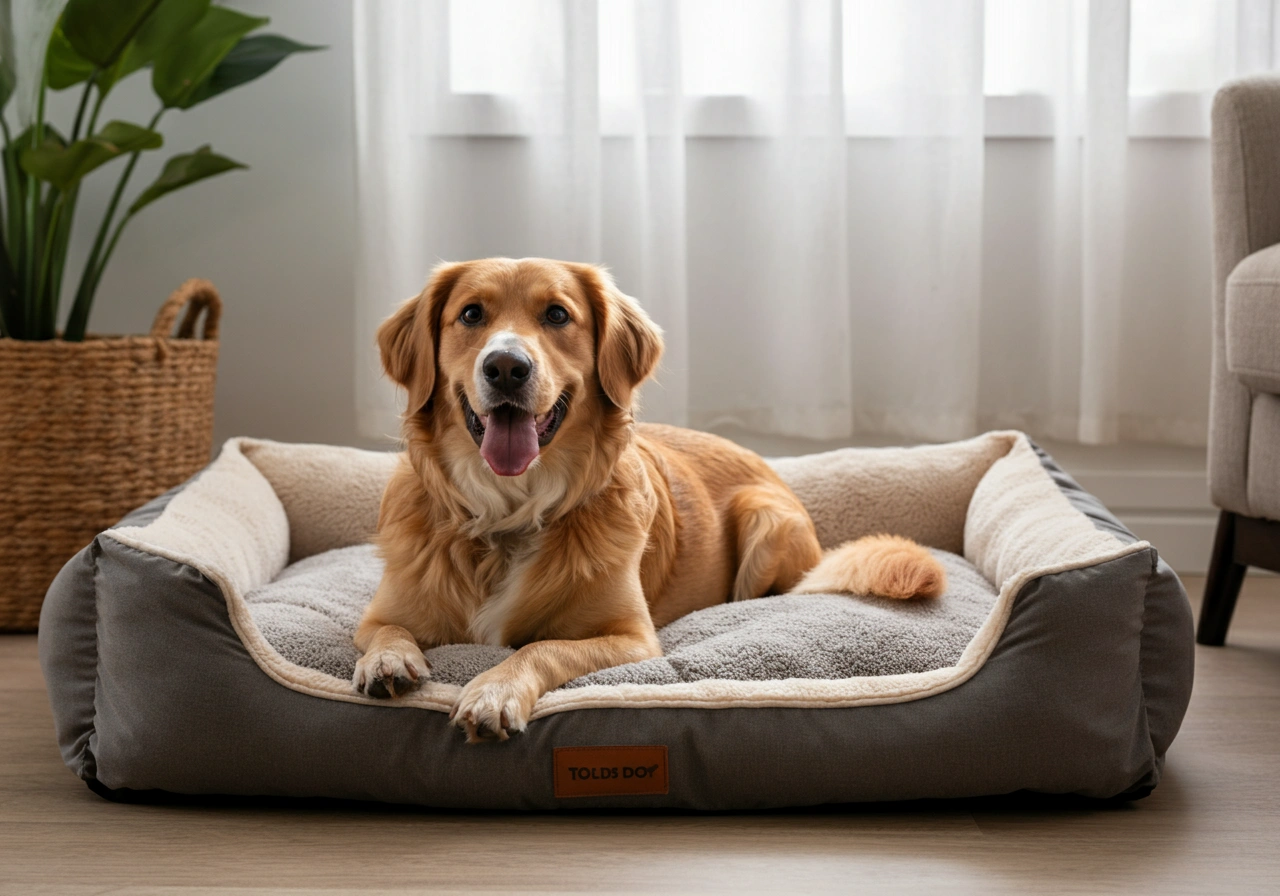
Just like us, our dogs need a comfortable and supportive place to rest and recharge. While a pile of blankets or a corner of the sofa might seem sufficient, providing your furry friend with their own dedicated bed is crucial for their health and well-being. A quality dog bed, or hundepude, offers far more than just a soft spot to nap. It provides essential support for their joints, helps regulate body temperature, and gives them a sense of security. But with so many options available, how do you choose the perfect one?
This guide will walk you through everything you need to know to select a hundepude that your dog will love. We will explore the key factors to consider, the different types available, and how to properly care for the bed to ensure it lasts for years to come.
Why the Right Hundepude Matters
Investing in a high-quality dog bed is an investment in your dog’s health. Dogs spend a significant portion of their day sleeping—up to 12-14 hours for adult dogs and even more for puppies and seniors. A supportive bed can make a world of difference in their quality of life.
A good hundepude provides several key benefits:
- Joint Support: A supportive mattress cushions your dog’s joints and bones, which is especially important for senior dogs, large breeds prone to hip dysplasia, and dogs with arthritis. Lying on hard floors can cause pressure sores and worsen joint pain.
- Improved Sleep Quality: A comfortable and secure bed helps your dog sleep more soundly. Better sleep leads to a better mood, more energy, and improved overall health.
- Insulation: A dog bed provides insulation from both cold floors in the winter and hot surfaces in the summer, helping your dog maintain a comfortable body temperature.
- Personal Space: Having their own bed gives your dog a safe, personal space where they can retreat and relax. This can help reduce anxiety and build confidence.
- Cleanliness: A designated bed for your dog helps keep your furniture cleaner by containing fur, dirt, and dander to one easy-to-wash spot.
Key Factors to Consider When Choosing a Hundepude
Selecting the right dog bed involves more than just picking a color that matches your decor. You need to consider your dog’s unique characteristics and habits to find the perfect fit.
Dog’s Size and Weight
The most basic factor is size. Your dog should be able to stretch out comfortably without hanging off the edges. Measure your dog from the tip of their nose to the base of their tail while they are in their favorite sleeping position. Add a few inches to this measurement to determine the ideal bed length and width. Also, consider their weight. Heavier dogs require a denser, more supportive filling that won’t flatten over time.
Sleeping Style
Observe how your dog sleeps. Do they curl up in a tight ball, sprawl out, or lean against something?
- Curlers: Dogs who like to curl up often feel secure in round or oval beds with raised sides (bolster beds).
- Sprawlers: Dogs who stretch out need a larger, rectangular mattress-style bed that gives them plenty of room.
- Leaners: Dogs who enjoy resting their head on a pillow will appreciate a bolster bed or a couch-style dog bed.
Age and Health Conditions
A dog’s needs change as they age.
- Puppies: Young, energetic puppies may be prone to chewing. Look for durable, chew-resistant materials and a bed with a washable cover for inevitable accidents.
- Adult Dogs: Most healthy adult dogs do well with a standard, supportive bed that matches their size and sleeping style.
- Senior Dogs: Older dogs often suffer from arthritis, joint pain, and muscle loss. An orthopedic bed made from memory foam is the best choice. These beds conform to the dog’s body, relieve pressure points, and provide maximum support. A lower-profile bed may also be easier for them to get in and out of.
Material and Durability
The material of the dog bed affects its comfort, durability, and ease of cleaning. Look for high-quality fabrics that can withstand digging, scratching, and frequent use. If your dog spends a lot of time outdoors, a waterproof or water-resistant material is a great choice. For puppies or dogs prone to accidents, a bed with a removable, machine-washable cover is essential.
Exploring Different Types of Hundepuder
Once you have a clear idea of your dog’s needs, you can explore the various types of dog beds available on the market.
Standard Mattress Beds
These are the most common type of dog bed, resembling a simple cushion or mattress. They come in various shapes, sizes, and thicknesses. They are a versatile and often affordable option suitable for most dogs who like to stretch out when they sleep.
Bolster and Donut Beds
Bolster beds feature raised, cushioned sides that provide a sense of security and a place for your dog to rest their head. They are perfect for dogs who love to curl up or lean against something while sleeping. Donut beds are similar but are typically round or oval, enclosing the dog completely.
Orthopedic Beds
Designed specifically for dogs with joint issues or for older dogs, orthopedic beds are made from high-density memory foam. This material provides superior support by distributing the dog’s weight evenly and reducing pressure on sensitive joints like hips and elbows. They are a worthwhile investment for promoting comfort and mobility in senior or arthritic dogs.
Elevated Beds
Also known as cot-style beds, elevated hundepuder consist of a fabric surface stretched across a metal or plastic frame, raising the bed off the ground. This design promotes airflow, keeping your dog cool in warm weather. They are also highly durable, easy to clean, and a great choice for outdoor use. Their firm, even surface provides consistent support.
Cave-Style Beds
For dogs who seek security and love to burrow, a cave-style or hooded bed is an excellent choice. These beds have a soft cover or “roof” that allows the dog to snuggle inside, providing a warm and enclosed den-like space. They are particularly popular with smaller breeds and anxious dogs.
How to Maintain and Clean Your Hundepude
Proper care will extend the life of your dog’s bed and keep it a hygienic place for them to rest.
- Follow Washing Instructions: Always check the manufacturer’s care label. Most high-quality dog beds come with a removable cover that is machine washable. Use a pet-safe, mild detergent and wash it regularly—at least once every one or two weeks.
- Vacuum Regularly: In between washes, use a vacuum cleaner to remove loose fur, dirt, and dander from the bed’s surface.
- Address Stains Immediately: Blot any spills or accidents as soon as they happen. Use an enzyme-based pet stain and odor remover to treat the spot before it sets in.
- Air Out the Inner Cushion: The inner mattress or foam core usually cannot be machine washed. On a sunny, dry day, take it outside to air out. The sunlight can help kill bacteria and eliminate odors.
Choosing the right Hundepude is a simple yet impactful way to show your dog you care. By taking the time to consider their size, age, health, and sleeping habits, you can find a bed that provides them with the comfort, support, and security they deserve. A happy, well-rested dog is a healthy companion for years to come.
